
Finding somewhere to live is one of the biggest challenges of student life, and also one of the biggest expenses.
Whether you're looking for student accommodation for the first time or moving from halls into a private rental, knowing where to start can feel overwhelming, especially with housing and utility costs as high as they are.
But finding a comfortable, affordable place to call home whilst you’re at uni is not impossible, especially when you plan ahead and do your research.
Who better to ask for advice than students who've already been through it? We spoke to 400 students living away from home to find out what they've learned and what advice they'd give to anyone preparing to find their own place.
Set a student budget for rent and bills
-
“Budget beforehand”
-
“Budget your costs make sure you can afford it before you move in”
-
“Have some savings or a job ready student loan maintenance doesn’t cover for rent costs of student housing”
-
“Manage money PROPERLY”
A large number of students in the survey said setting up a budget was the most important point before moving into a student house, so you know what you’re getting into financially. Two things to keep in mind when considering a budget:
🏡 Rent is generally on the rise. Our survey found the average student rent was around £790 a month.
💡 Sociopolitical issues around the globe have pushed up the price of utilities like gas and electricity, with energy bills at their highest level in three years.
With that in mind, many students also recommended bridging the gap between maintenance loan and housing costs by finding supplemental income, such as a part-time job.
Putting together a rough budget to understand what you can spend on your student house is a really useful first step. Here’s how to do a quick affordability check:
1. Estimate your housing costs: Work out how much your rent and bills are likely to cost each month in your area. Check whether bills are typically included in rent.
2. Calculate your other outgoings: Add up your fixed costs, like phone bills and subscriptions, and estimate variable costs, like food, transport and socialising.
3. Work out your total income: Add up all the money you expect to receive each month, including your student loan, wages and any financial support from family or guardians.
4. Check what's affordable: Take your total monthly outgoings away from your monthly income. If you're left with enough to cover unexpected costs and put some money aside, your accommodation may be affordable. If not, you might need to reconsider your budget, explore cheaper areas or look at alternative income streams.
Shop around for student housing
-
Look as early as possible, consider many different factors, prioritise safety”
-
“Choose accommodation carefully, check the cost and location and ask for help whenever needed. It is important to feel safe and supported.”
-
“Start looking for accommodation early, choose a place that suits your budget and is close to your university or public transport, and carefully check what is included in the rent.”
-
“Consider the distance to campus, transport links, and nearby shops. Read the tenancy agreement carefully and ask questions before committing.”
-
“Knowledge is power :)”
Our students said time and again that it was important to take your time when looking for a house to ensure you feel comfortable and have the essentials nearby. Here are some things to consider before you start browsing:
-
Demand: Costs will vary widely, even within the same area, depending on the type of accommodation, location, and how many people you live with.
-
Location: Consider how easy it is to get to the places you need to be, like uni or social spots. Although properties further away might be cheaper, transport can really add up over the course of a year.
-
Safety: You can check an area’s crime rates using the UK Police website. Consider how safe and well-lit the local streets and your journey to uni are. When viewing, check that doors and windows have secure locks and latches.
-
Amenities: Check for nearby amenities. Having the basics like a supermarket, pharmacy, and a GP nearby is essential.
-
Have a look: Reddit and Google Maps only get you so far. If you can, go and have a look at areas you’re considering in person.
-
Get looking early: It never hurts to see what's out there, so start browsing straight away to get a feel for different areas and price bands.
For a full walkthrough, from tenancy agreements to guarantors, read our student accommodation guide.
What to look out for when viewing a student house
-
“Don't rush”
-
“Be strong and be patient”
-
“Be careful with estate agencies and ensure the accommodation is in proper condition”
Great points from our students here. When you're viewing a house, it can be tempting to say yes to the first property you see, especially if it’s cheap or competition is high.
Sadly, not all landlords have your best interests at heart. When looking for a house, it can be easy to miss some key red flags that experienced homeowners would notice. Here’s some things to look out for on a viewing:
House viewing checklist
🚿 Check water pressure is strong and runs both hot and cold.
🦠 Look up. Mould tends to look black and sits in the corner of rooms, whilst water leaks are longer brown streaks.
🚨 Check for fire alarms and carbon monoxide alarms. This isn’t a nice-to-have: in England, landlords are legally required to fit them.
🪟 Are windows double-glazed? Thicker windows will save you a lot in heating costs.
🏰 Older properties can be a bit more expensive to insure your possessions.
🔥 Heating works and the boiler has been serviced
🔐 Doors and windows lock securely
🧾 Ask: which bills are included in the rent?
🔏 Ask: is my deposit protected in a government-approved scheme?
🛠️ Ask: how quickly are repairs dealt with?
Rules, chores and bills in a student house share
-
“Embrace it and push yourself out of your comfort zone!”
-
“Make a living agreement as early as possible to set some ground rules”
-
“Keep an open mind, respect your flatmates, and be willing to adapt.”
-
“One of the best parts of living by yourself is having a brand new social experience, and leaving the comfort of living with your parents or your home town.”
Students told us that one of the best parts of living away from home is the chance to enjoy a new social experience, meet new people and gain independence. But even the best of friends need a little organisation to keep things running harmoniously.
-
Set ground rules: Agree on a few house rules early on, from quiet hours and guests to sharing food and communal spaces.
-
Create a chores rota: Share household responsibilities so everyone does their fair share and no one gets stuck with all of the work.
-
Split bills fairly: If you're sharing bills, apps like Splitwise and Tricount can help you track who owes what and keep payments organised.
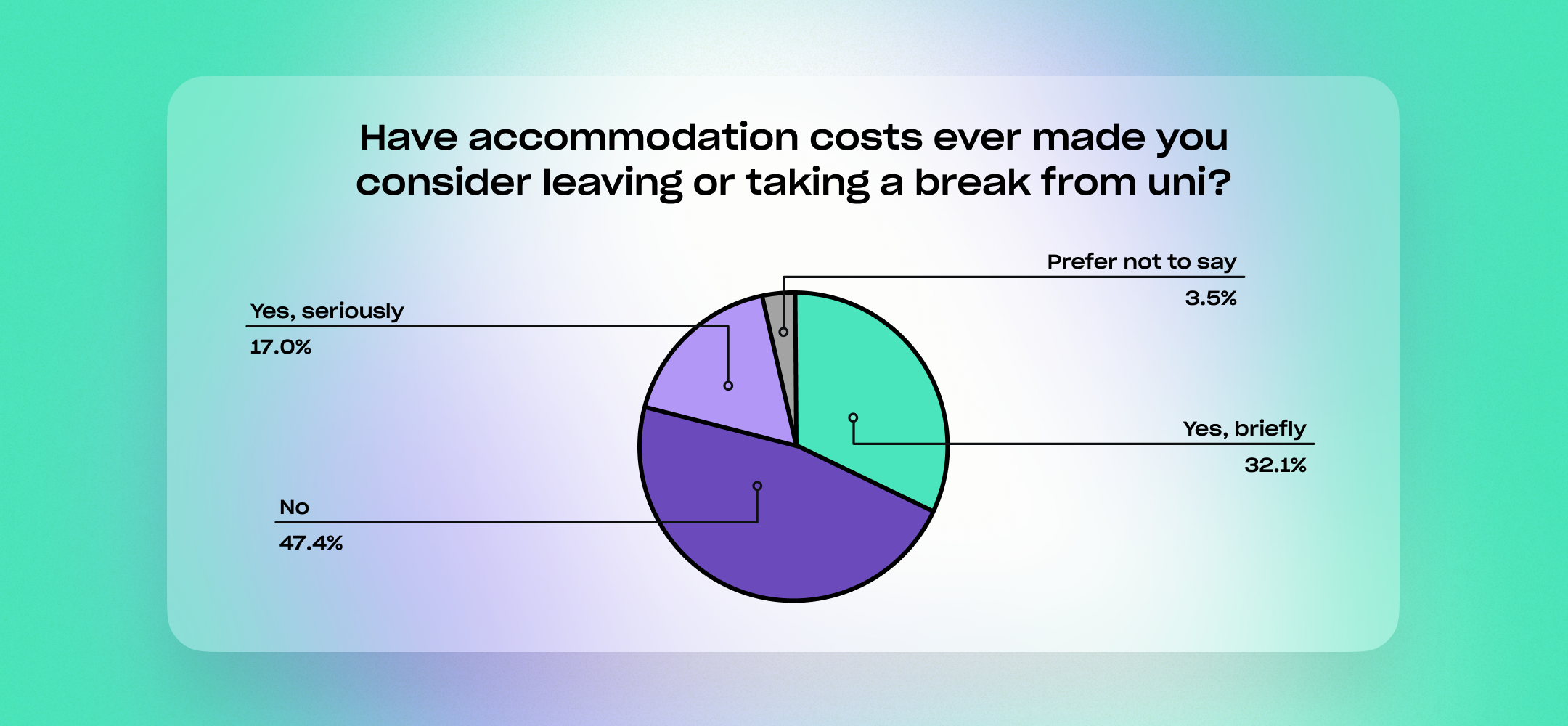
Ask for student financial help and support
-
“Always let the university know about your circumstances because they are there for you.”
-
“Don’t suffer in silence and reach out for help”.
-
“It isn't as bad as it seems the staff are nice and if you are struggling most uni will have a team to help you out”
-
“Always inquire and see what is in place if you do need help financial and don’t stress as it will affect your mental wellbeing”
Costs are high right now. That’s just a fact and thousands of students are in the same position as you.
Beyond student finance, you may be eligible for extra support through scholarships, grants or university hardship funds, which can help with tuition, living costs or unexpected expenses. If money feels overwhelming, don't be afraid to talk about it. Reach out to friends or family for support, or speak to your university’s money advice or wellbeing team to find out what help is available.